
Last updated November 4, 2026
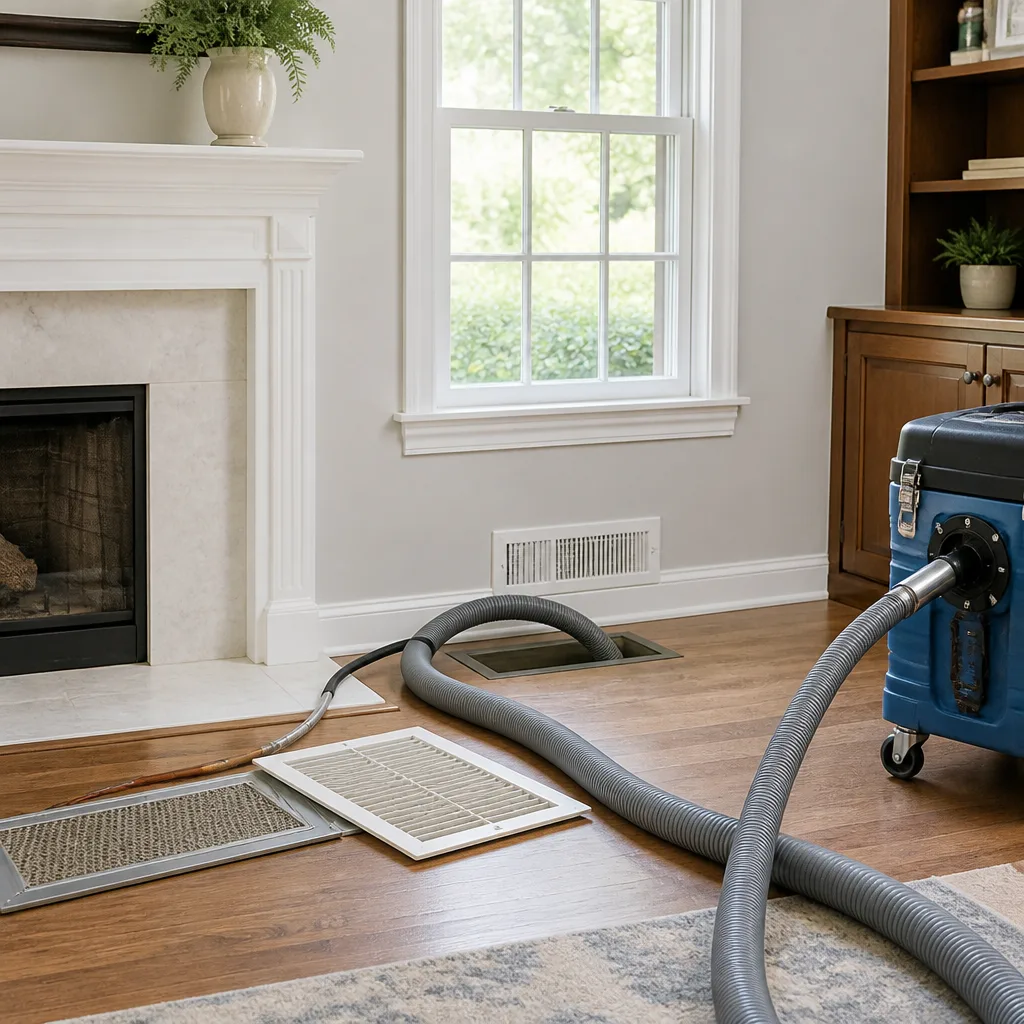 Whole-home duct cleaning
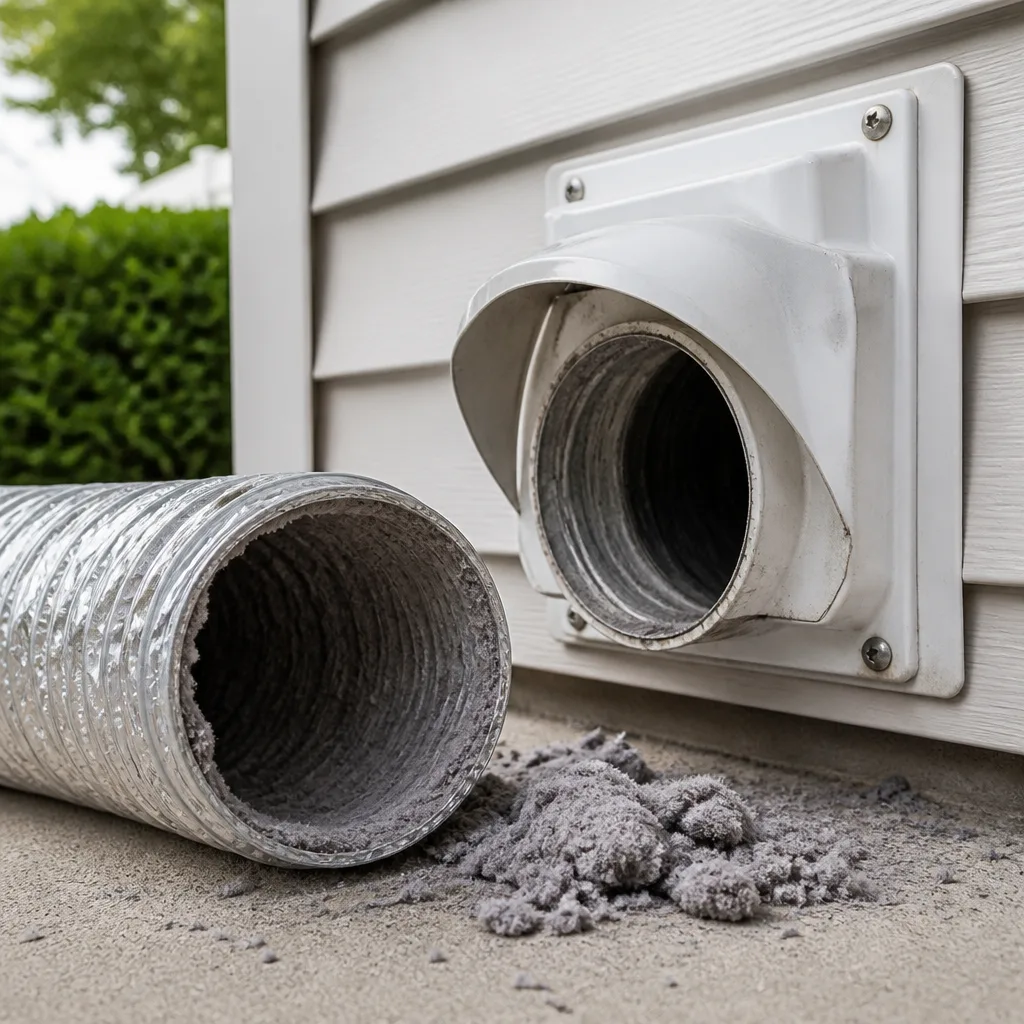 Dryer vent cleaning
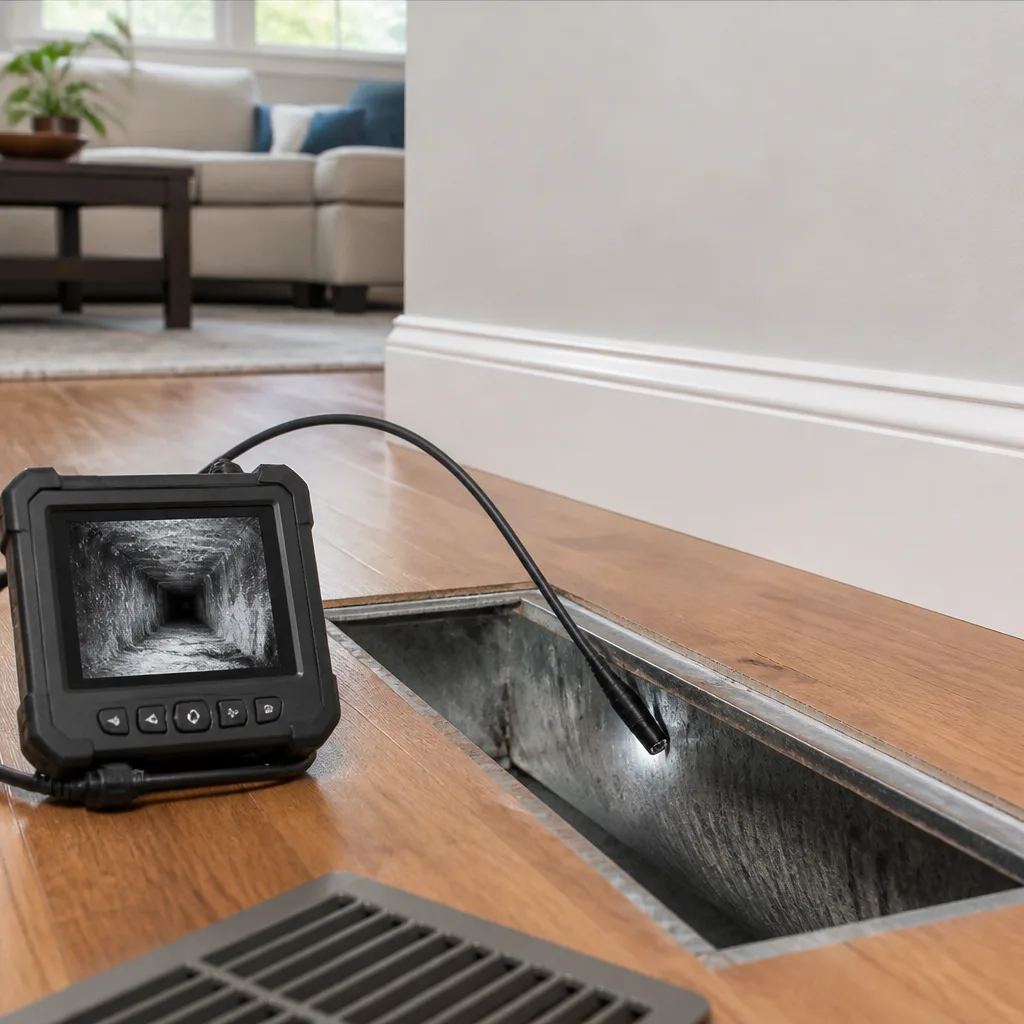 Camera inspection
 Sanitizing & deodorizing
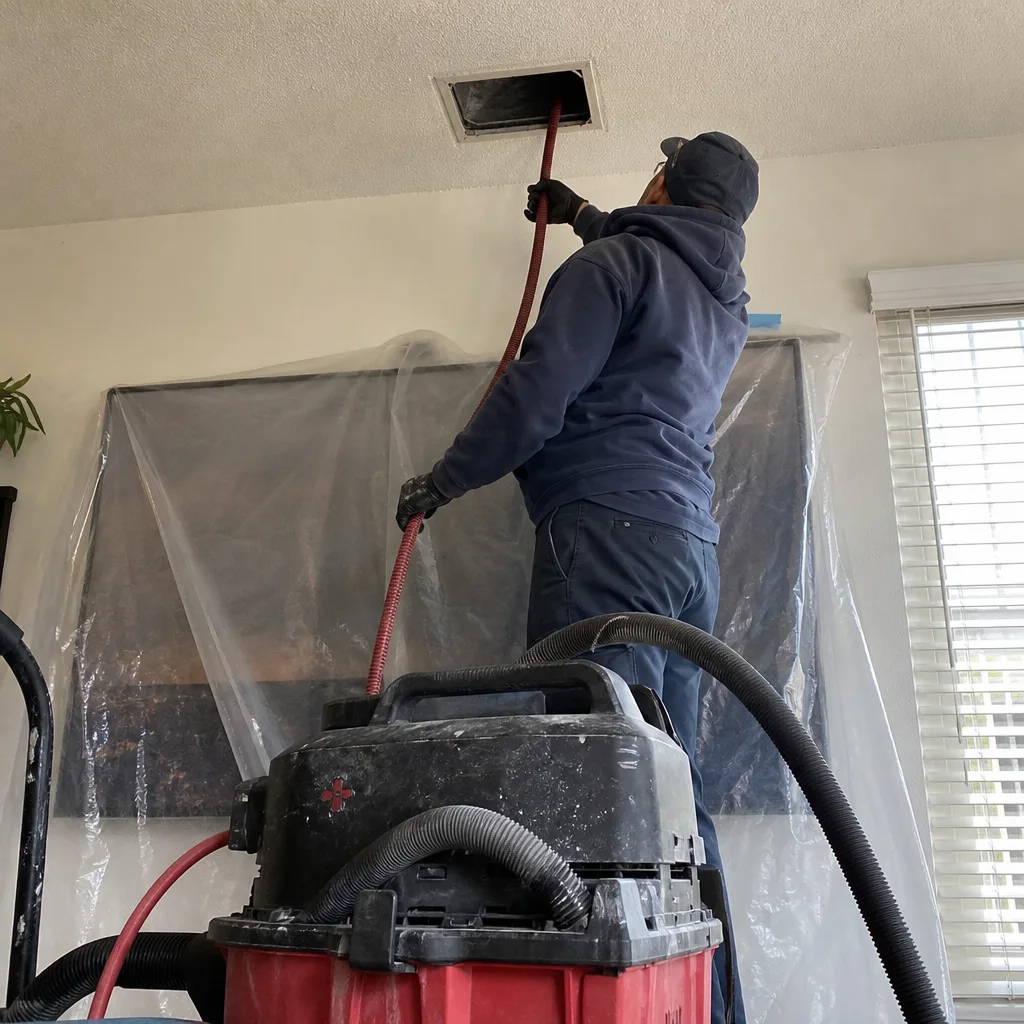
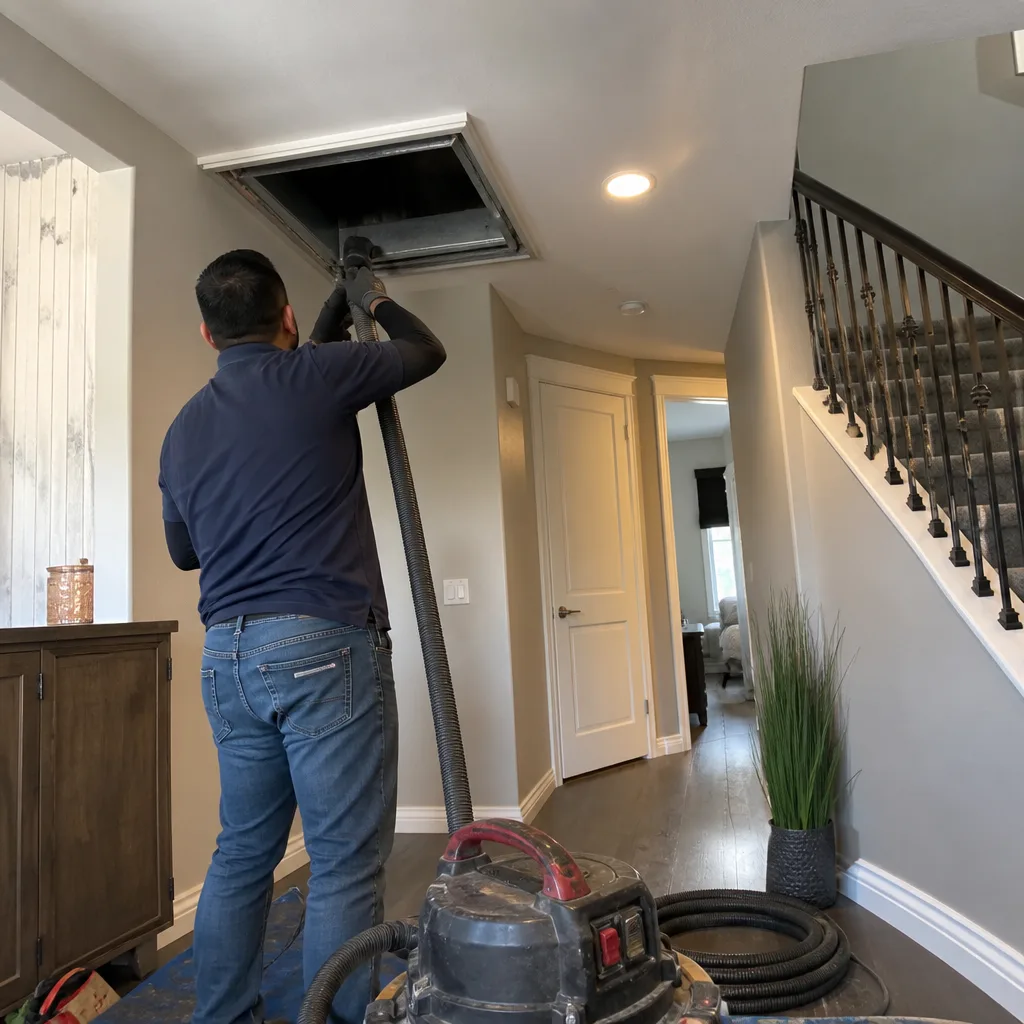
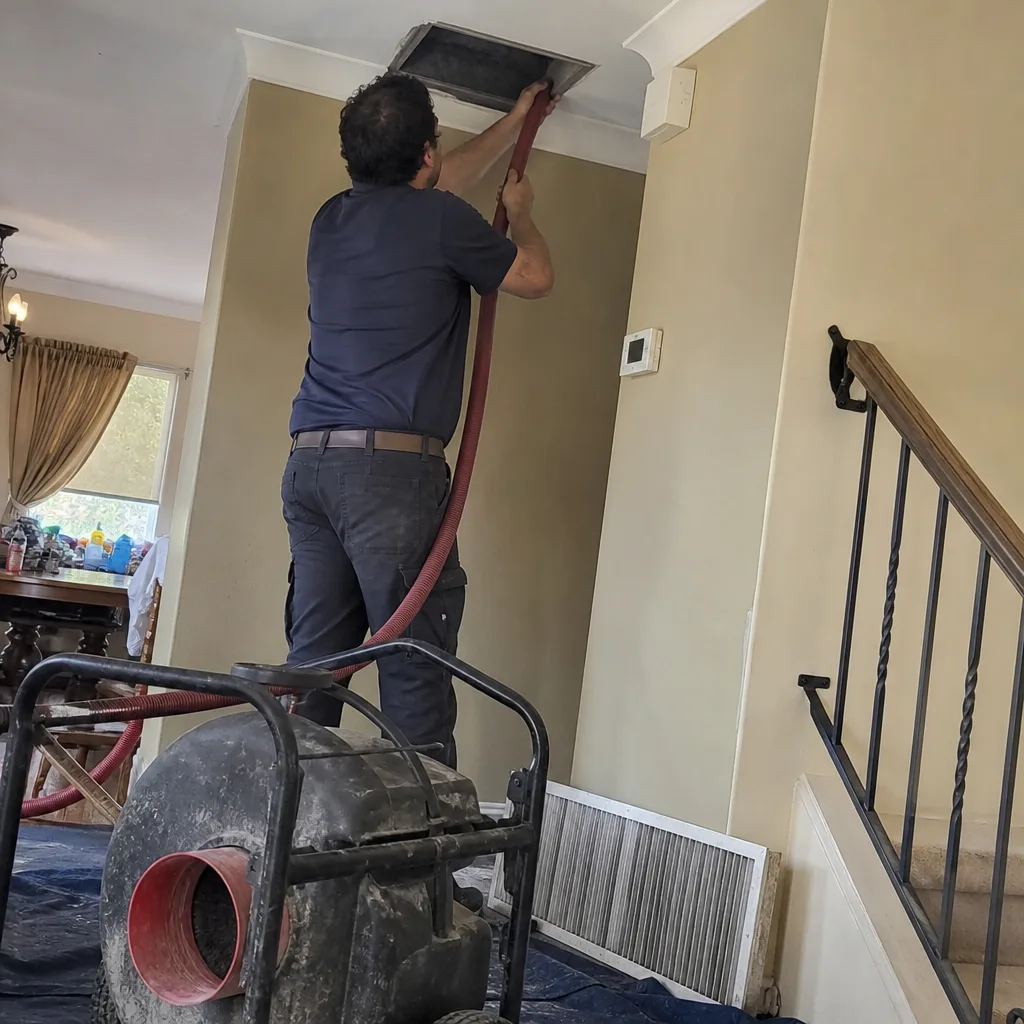
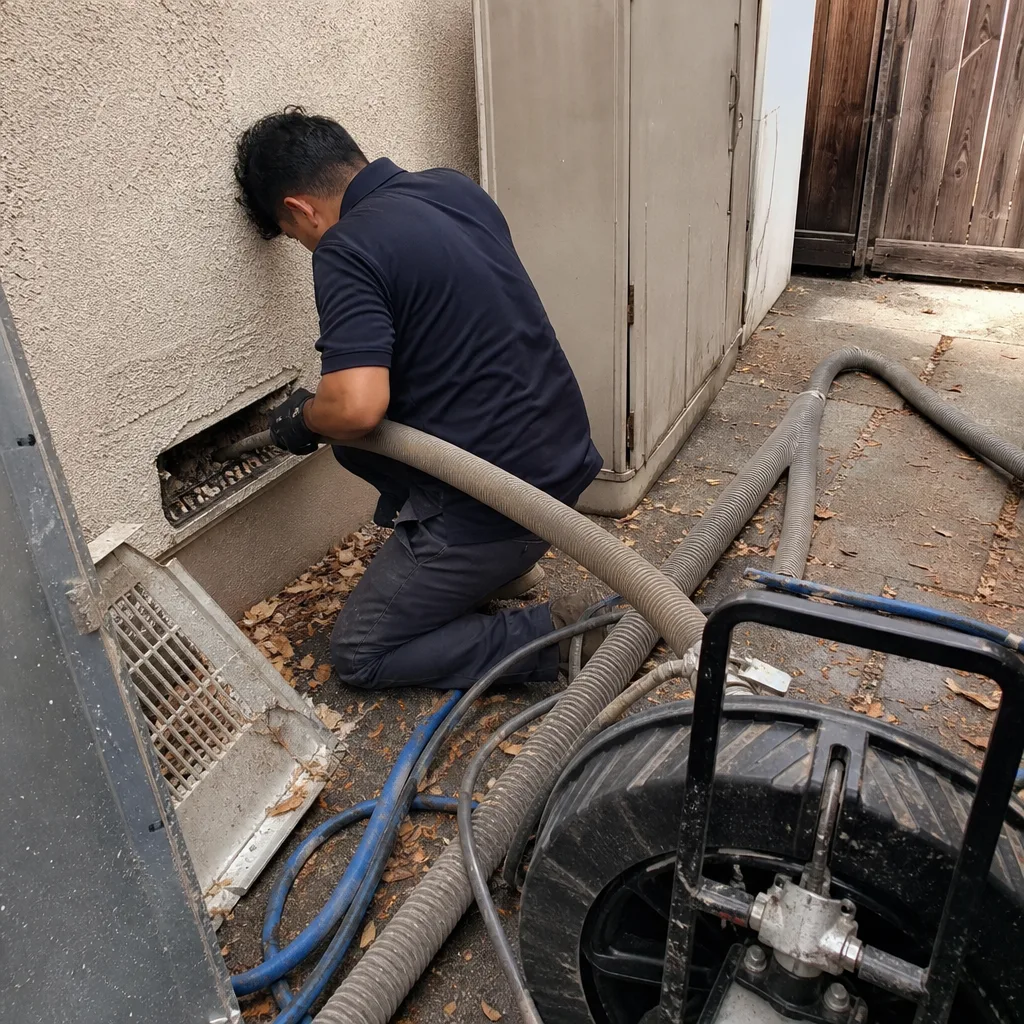
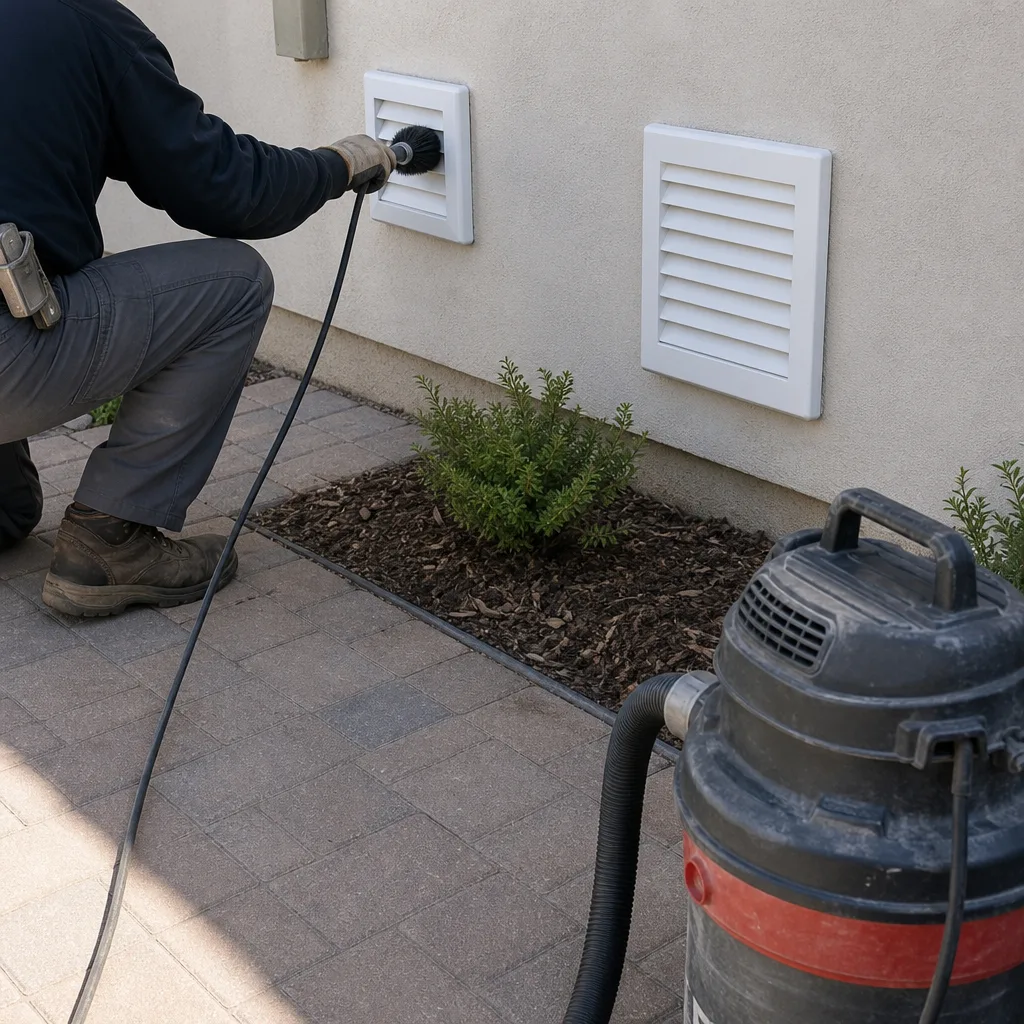
Whole-system duct and dryer vent check with before-and-after photos - you see exactly what came out of your vents
That "$99 whole-house special" is a bait ad - the real number appears once they are in your hallway, or the "clean" is a shop-vac at the register. We photograph the inside of your ducts before and after instead.
Air Duct Cleaning Troubleshooting: Common Problems and How to Fix Them
If your house is dustier two weeks after a professional duct cleaning than it was before, the cleaning didn’t fail. It exposed something that was already broken. In Rancho Bernardo, where we deal with Santa Ana winds pushing fine particulate through every exterior gap and summer attic temperatures that bake ductwork into brittleness, this pattern shows up more often than most homeowners expect. This guide walks you through why a duct cleaning sometimes doesn’t hold, how to read the Air Duct Cleaning Warning Signs: A Rancho Bernardo Homeowner’s Reference Guide your system gives you, and how to figure out whether the fix is a second cleaning or a structural repair. By the time you finish, you’ll know exactly which questions to ask and what to look for.
Styles & brands we work with
- Whole-home duct cleaning
- Dryer vent cleaning
- Camera inspection
- Sanitizing & deodorizing
Quick Answer
Dust returning quickly after a duct cleaning, uneven room temperatures, or a persistent musty smell almost always means the cleaning addressed the symptom but not the underlying problem. The most common culprits are duct leaks pulling in attic or crawlspace air, disconnected duct joints, a dirty evaporator coil re-contaminating cleaned ducts, or flex duct that has degraded to the point where it traps and sheds particles. Duct cleaning alone cannot fix these structural or mechanical issues. A proper diagnosis starts with checking airflow at each register, inspecting the return side for leakage, and evaluating the coil before authorizing any re-clean.
Table of Contents
- Signs Your Duct Cleaning Didn’t Hold
- The Five Most Common Reasons a Duct Cleaning Fails
- How to Localize the Problem Using Only Airflow Observation
- Why Musty Odor Persists After Cleaning and What That Actually Means
- Diagnostic Questions to Ask Before Authorizing a Re-Clean or Repair
- Why Duct Sealing Often Must Happen Before or Alongside Cleaning
- The Dirty Coil Problem: How Cleaned Ducts Get Re-Contaminated
- Common Mistakes to Avoid
- When to Call a Professional
- Frequently Asked Questions
- The Bottom Line
Signs Your Duct Cleaning Didn’t Hold
Most homeowners in Rancho Bernardo call us after noticing a specific pattern. The cleaning happens, the air feels fresher for a week or two, and then the dust settles back onto every surface. Sometimes faster than before. Here’s what tells you the problem wasn’t the cleaning itself but what the cleaning uncovered.
Dust reappearing within two to four weeks. A properly cleaned duct system in a home with intact ductwork should stay visibly cleaner for months. If fine gray or brown dust returns quickly, especially near registers on the side of the house facing the prevailing wind, you likely have duct leakage pulling attic or crawlspace air into the system.
One room stays stubbornly hot or cold. After cleaning, airflow should improve evenly. If one bedroom at the end of a long duct run still gets weak airflow while the living room blasts, a disconnected or crushed section of duct is restricting flow. Cleaning removes debris but cannot reconnect a separated joint.
Musty smell that never really left. If the odor you hoped the cleaning would eliminate is still there a week later, and it’s stronger when the AC runs, the source is not the duct surfaces. It’s the evaporator coil, the drain pan, or standing water somewhere in the system. We’ll cover this in detail below.
New noises after the cleaning. Hissing, whistling, or a soft flapping sound at registers or vents often means the cleaning process dislodged debris that’s now stuck in a damper or register. It can also mean a pre-existing loose joint was disturbed. Neither is a cleaning failure, but both need attention.
The Five Most Common Reasons a Duct Cleaning Fails
We’ve provided Air Duct Cleaning in thousands of homes across Rancho Bernardo, from Westwood to the Greens, and the same five problems account for nearly every “cleaning didn’t work” complaint we hear. Here they are, ranked by frequency.
- Duct leakage pulling in attic and crawlspace debris. Ductwork in unconditioned spaces develops gaps at seams over time. Metal expands and contracts with temperature swings, tape dries out, and joints loosen. Every gap becomes an entry point for insulation fibers, dust, and whatever lives in the attic. You can clean the inside of the ducts perfectly and still have contaminated air entering the system before it reaches your rooms. This is the single most common reason Rancho Bernardo homeowners see dust return quickly.
- Disconnected duct joints. A separated joint, often in flexible duct runs in the attic, means the cleaned air never reaches the register. It spills into the attic while unconditioned attic air gets sucked into the return side. This is an efficiency problem and an air quality problem in equal measure.
- Dirty evaporator coils re-contaminating cleaned ducts. Your AC’s indoor coil sits in the airstream full time. When the coil is caked with dust, mold, and biofilm, every cooling cycle blows contaminated air across it and back into your freshly cleaned ducts. We see this constantly in Rancho Bernardo homes where AC runs hard from May through October.
- Oversized returns creating turbulence. When the return side is too large or improperly configured, air moves too slowly to carry particles to the filter. Debris settles in the ducts instead of getting captured. Cleaning helps temporarily, but the turbulence persists and the buildup returns.
- Porous, degraded flex duct trapping particulates. Older flex duct develops breaks in the inner liner and a texture that grabs and holds particles. No amount of rotary brushing can smooth a degraded liner. The duct material itself becomes a dust reservoir. Replacement is the only real fix.
Understanding which of these you’re dealing with changes everything about the next step. A re-clean without addressing the root cause is just an expensive way to wait for the dust to come back.
How to Localize the Problem Using Only Airflow Observation
You don’t need specialized tools to narrow down where your duct system is failing. A basic walkthrough of your Rancho Bernardo home, paying close attention to airflow behavior, gives you actionable diagnostic information. Here’s a step-by-step approach we walk our customers through.
- Map register output room by room. On a day when your AC or furnace is running, hold your hand directly over each supply register. Note which rooms have noticeably weaker airflow than others. Rooms furthest from the air handler will naturally be somewhat weaker, but a difference of more than 30 percent suggests a leak or restriction in that specific branch line.
- Check return suction. Place a tissue or light piece of paper against the return grille. It should hold firmly. If suction is weak, you have return-side leakage pulling air from the attic or wall cavity instead of from your rooms. Return leakage is the most common way attic dust and insulation fibers enter your system.
- Check temperature variance at different registers. Walk the house with a simple thermometer and compare air temperature at registers in different rooms. A variance of more than 5 degrees between rooms on the same system points to a duct run passing through an unconditioned attic with inadequate insulation, a leak pulling hot attic air into the duct, or a disconnected section.
- Inspect visible duct runs in accessible areas. In many Rancho Bernardo homes, at least a portion of the ducting is visible in the garage or a utility closet. Look for sagging sections (indicating separated supports or water weight), crushed flex, and gaps at the plenum connection where the duct meets the main trunk.
- Listen for air movement where there shouldn’t be any. A faint hiss in a hallway with no register nearby, or a soft whistle behind a closet door, often means duct leakage behind the wall or above the ceiling.
This observation pass takes less than 30 minutes and gives you a picture of where the problem lives. It also makes you a far more informed buyer when you talk to contractors. You’ll know whether you’re describing a whole-system issue or a specific branch line.
Why Musty Odor Persists After Cleaning and What That Actually Means
This is the call we get most often from homeowners in Rancho Bernardo who’ve already paid for a duct cleaning somewhere else. The musty smell is still there, and they’re frustrated. The problem is usually that the smell never came from the ducts in the first place.
Musty odor in an HVAC system comes from microbial growth, and microbial growth needs moisture. Duct surfaces are metal or plastic. They get dusty, but they dry out between cooling cycles. The evaporator coil, on the other hand, sits wet through the entire cooling season. Condensation forms on it constantly when the AC runs. The drain pan underneath it holds water. The coil and pan are where mold and bacteria actually grow.
No amount of duct cleaning fixes a contaminated coil. The coil sits downstream of the filter in most systems, meaning it catches everything that gets past a basic fiberglass filter. Over several seasons in a dusty, high-cooling-load climate like Rancho Bernardo, that coil develops a coating of dust, moisture, and biofilm. Every time the blower runs, air passes over that biological growth and carries the musty odor into the ducts, the registers, and your rooms.
Duct cleaning can make the smell temporarily less noticeable by removing some contaminated dust from the ducts. But the source remains. The coil has to be cleaned, and the drain pan needs inspection for standing water or improper slope. If the coil is accessible, this is a straightforward job. If it’s installed in a tight position or the contamination is severe, the coil may need professional cleaning with coil-specific products, not just a spray-and-wipe.
Here’s the practical test. Sniff the air coming from a supply register after the AC has been running for 10 minutes. Now sniff near the return grille where air goes in. If the supply air smells worse than the return air, the odor is being created inside the system after the return, which almost always means the coil or drain pan. If both smell equally, the source may be in the ductwork itself or in the home.
Diagnostic Questions to Ask Before Authorizing a Re-Clean or Repair
When a cleaning hasn’t held and you’re deciding between another cleaning and a repair, the questions you ask determine whether you’re solving the problem or repeating it. Here’s what we tell Rancho Bernardo homeowners to ask any contractor before authorizing work.
- “Did you inspect for leaks, and if so, what did you find?” A legitimate contractor can tell you the static pressure readings or at least describe what they observed at the plenum connections and branch lines. If they didn’t look, they can’t tell you whether a re-clean will hold.
- “Is the coil clean, and if not, is the coil a source of re-contamination?” The answer tells you immediately whether the contractor understands the system or just cleans ducts. A contractor who dismisses the coil as irrelevant is not the right person for a persistent odor or dust problem.
- “Will you seal the leaks before, during, or after the cleaning?” The order matters. Cleaning first removes debris so sealant adheres. But sealing must happen in the same job. If they seal first and clean after, they’re sealing debris into the system. If they clean and don’t seal, the contamination returns.
- “Is any of my flex duct degraded to the point where cleaning won’t help?” An honest contractor will tell you if a section needs replacement. A less honest one will clean it and let the problem recur so you’ll pay for another cleaning in six months.
- “What does your scope of work actually cover for the price?” This question protects you from the bait-and-switch pattern that plagues this industry. A low quote that covers “duct cleaning only, no repairs, no coil access” may be honest but incomplete. Get the scope in writing.
These questions also serve as a useful filter. A contractor who can answer them clearly and specifically is working from training and experience. One who deflects or gets vague is likely to produce another disappointing result.
Why Duct Sealing Often Must Happen Before or Alongside Cleaning
In Rancho Bernardo, where summer attic temperatures regularly exceed 130 degrees, the expansion and contraction cycle is brutal on duct seams. Metal joints loosen. Tape fails. Connections at the plenum separate by fractions of an inch that add up to significant leakage over time. We’ve measured return leakage of 30 percent or more in homes that looked fine from the register side.
Here’s why sealing and cleaning are two halves of the same job.
Cleaning first, sealing second. Rotary brush cleaning removes built-up debris from the interior surfaces. Once clean, the joints and connections can be properly inspected, mastic-sealed or taped with UL-rated duct tape, and tested. This is the correct sequence: clean, then seal, because sealant adheres poorly to dusty surfaces.
Sealing without cleaning does nothing for air quality. If the ducts are full of debris and you seal them, you’ve just trapped the contamination inside a closed system. The debris will continue to shed into your indoor air. Sealing alone is an energy efficiency measure, not an air quality fix.
Cleaning without sealing is a temporary fix. The moment the system runs, negative pressure in the return side starts pulling attic air through every existing gap. In a dusty attic with blown-in insulation, it takes weeks, not months, for visible dust to return to the registers. This is the single most common reason homeowners believe their duct cleaning “didn’t work.” It worked. The leaks undid it.
The practical takeaway: if you’re paying for a duct cleaning and your contractor doesn’t inspect for leakage, you’re paying for half a job. A complete job in a home with leak detection challenges, like a tight Rancho Bernardo attic with limited access, requires patience and equipment. That’s what the price difference between a $99 special and a real cleaning reflects.
The Dirty Coil Problem: How Cleaned Ducts Get Re-Contaminated
Let’s talk about the evaporator coil as the silent saboteur of duct cleanings. This applies especially in hot climates like Rancho Bernardo’s inland valleys, where AC runs six to eight months a year.
The indoor evaporator coil sits directly in the airstream after the blower. In most residential systems, it’s a slab of aluminum fins packed tightly together, wrapped around copper tubing. As warm air passes over the cold coil, moisture condenses on it. That moisture, combined with the dust that reaches the coil, creates a damp, organic layer on the coil surface. Over time, this becomes a sticky, sometimes fuzzy layer of debris and biological growth.
When a duct cleaning is performed without addressing the coil, here’s what happens: the ducts get cleaned, the blower kicks on, and air passes over that contaminated coil on its way into the freshly cleaned ducts. Within days, the dust and odor from the coil is redistributing through the system. The homeowner sees dust on furniture and smells that musty scent, and reasonably concludes the cleaning failed.
The fix is coil cleaning. This can range from a straightforward coil-cleaning solution applied by a professional to a more involved process if the coil is badly fouled or the fins are damaged. A heavily loaded coil also reduces cooling efficiency, so cleaning it has a direct energy benefit. Homes with older systems, systems that ran for years with no filter or a cheap filter, and homes with pets often have the worst coil buildup.
If you have a whole-home air cleaner like an Aprilaire unit installed, the coil should be less coated than in a home without one, because the filter captures a higher percentage of airborne particulates before they reach the coil. The same applies to homes where filters are replaced on schedule. A coil that hasn’t been cleaned in five years, in a home without air filtration, is a problem waiting to be uncovered or a problem that keeps getting re-covered by repeated duct cleanings.
Common Mistakes to Avoid
- Paying for a second duct cleaning without diagnosing the first failure. If dust returned within a month or musty odor never left, a re-clean without addressing leaks, the coil, or degraded duct material is wasted money. Figure out why before you pay again.
- Choosing a contractor on price alone. The duct cleaning industry has a known pattern of low teaser prices that turn into much larger invoices once the technician is on site. A one-flat-price quote, agreed before work starts, protects you from this. Ask for it before anyone arrives.
- Ignoring return-side leakage. Most homeowners focus on supply registers and miss the fact that the return side, under negative pressure, is where attic air and insulation fibers actually enter the system. Weak return suction is a red flag.
- Assuming the ducts are the source of every smell. Musty odor usually originates at the coil or drain pan, not the ducts. Cleaning the ducts to fix a coil problem is like repainting a wall to fix a leaking roof.
- Replacing a dirty filter with a more restrictive filter and calling it done. High-MERV filters create more resistance. If your duct system has leaks or your blower isn’t rated for the pressure drop, you’ll see reduced airflow and may even damage the blower motor.
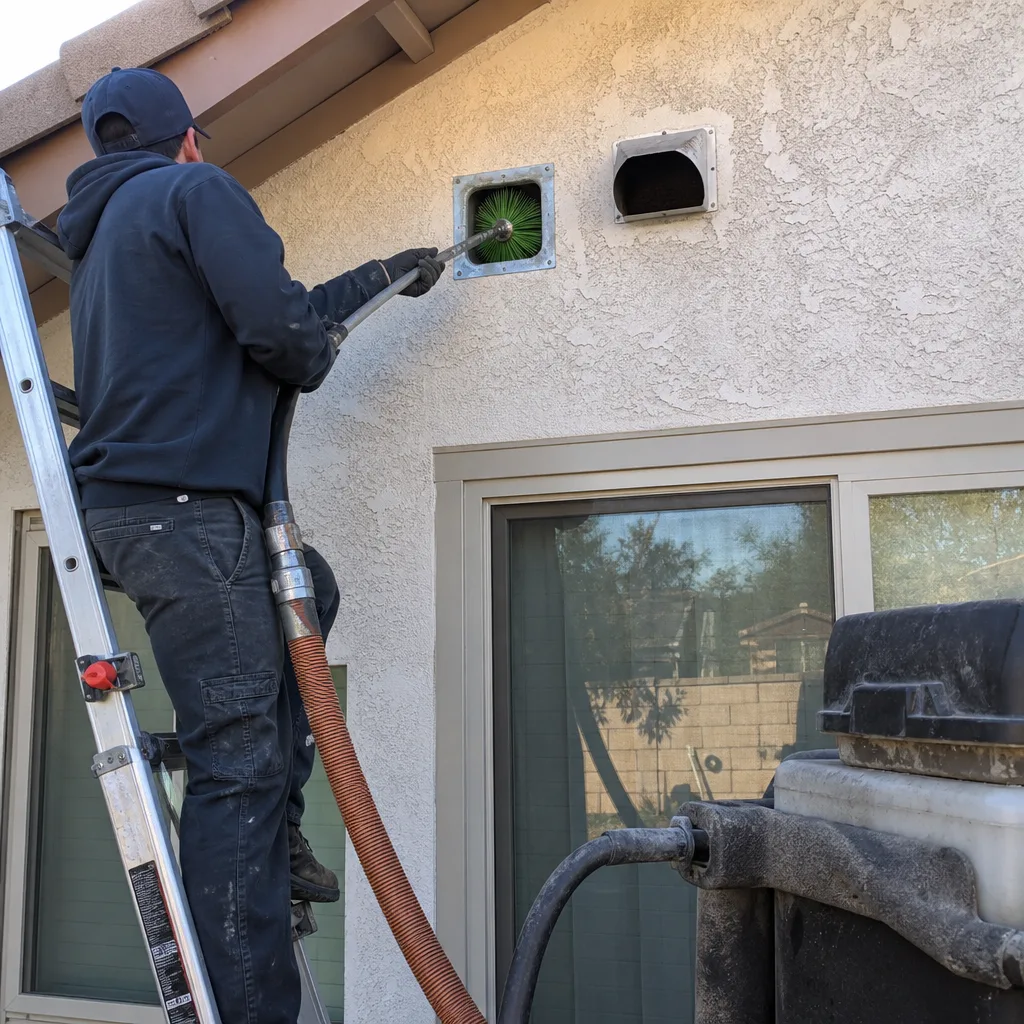
- Skipping dryer vent cleaning while doing the ducts. The clothes dryer vent is a separate system with its own risks. Lint buildup is a fire hazard and an efficiency drain. Treat it as its own essential service, not an afterthought.
When to Call a Professional
Duct leakage inside walls or attic spaces requires professional tools to locate and seal. Coil cleaning involves working with refrigeration lines and electrical components, and improper handling can damage the system or void warranties. If your home has flex duct that’s visibly degraded, crushed, or water-damaged, replacement is a job for someone who works with duct systems daily. And if you’ve already paid for one cleaning that didn’t hold, you’re not looking for another person with a vacuum. You’re looking for someone who can diagnose the system.
Golden Air Duct offers free estimates in Rancho Bernardo. Call (844) 798-0150 and describe what you’re seeing. We’ll tell you honestly whether you need a repair, a cleaning, or both, and we’ll give you one flat price before any work begins.
Frequently Asked Questions
Air duct cleaning in Rancho Bernardo typically ranges from $350 to $750 for a full system cleaning in an average single-family home, depending on the number of ducts, system accessibility, and whether additional work like coil cleaning or duct sealing is required. Prices below this range usually reflect a per-vent model that expands once the technician arrives. A one-flat-price quote agreed before work starts is the safest way to compare. Call (844) 798-0150 for an exact quote. Estimates are free.
Dust returning quickly after a cleaning usually means you have duct leakage pulling attic or crawlspace air into your system, a dirty evaporator coil redistributing debris, or degraded flex duct shedding particles. Ask your contractor whether they inspected for leaks, what condition the coil is in, and whether any duct material needs replacement. A proper diagnosis should answer all three.
The most reliable evidence is before-and-after photos of the inside of your ducts, taken with a camera system at the same locations. A contractor using professional-grade equipment like a Rotobrush rotary brush system or Nikro HEPA vacuum should be able to show you the interior condition before and after. If they can’t provide photos, ask why not.
Most homes benefit from a professional cleaning every three to five years, but the right interval depends on several factors: whether you have pets, whether your home has a history of renovation dust, the quality of your filtration, and whether your ducts leak. In Rancho Bernardo’s dry, dusty climate with long AC seasons, every three years is a reasonable baseline for many homes.
Yes. Duct systems recirculate the air your family breathes. Dust, pollen, pet dander, and biological material in the ducts get redistributed through your living spaces every time the blower runs. A system with return-side leakage can also pull in allergens from the attic, including rodent droppings and insulation fibers. Clean ducts, sealed joints, and a clean coil all contribute to measurable improvement.
If your air is dusty after a recent cleaning, or if specific rooms have weak airflow or temperature differences, the problem is likely structural, not cleanliness-related. Look for a contractor who does air duct repair in Rancho Bernardo as a core service, not just cleaning. A company that can diagnose and fix what it finds will save you from paying for repeated cleanings that don’t hold.
The Bottom Line
A duct cleaning that doesn’t hold isn’t usually a cleaning failure. It’s a diagnostic failure. Dust returning in weeks means leaks are pulling contamination in. Musty odor that survives the cleaning means the coil or drain pan is the source. Uneven airflow means a disconnected or crushed duct section needs attention. In Rancho Bernardo’s climate, with long cooling seasons and hot attics, these problems compound quickly. The fix starts with asking the right questions and hiring someone who can clean and repair. We clean it, and if something’s wrong, we repair it. Same visit, same team. Call (844) 798-0150 for a free estimate.
Written by the team at Golden Air Duct, serving Rancho Bernardo since 2013. See our more guides & resources.
See the difference
 Before
 After
 Before
 After
 Before
 After