
Last updated November 4, 2026
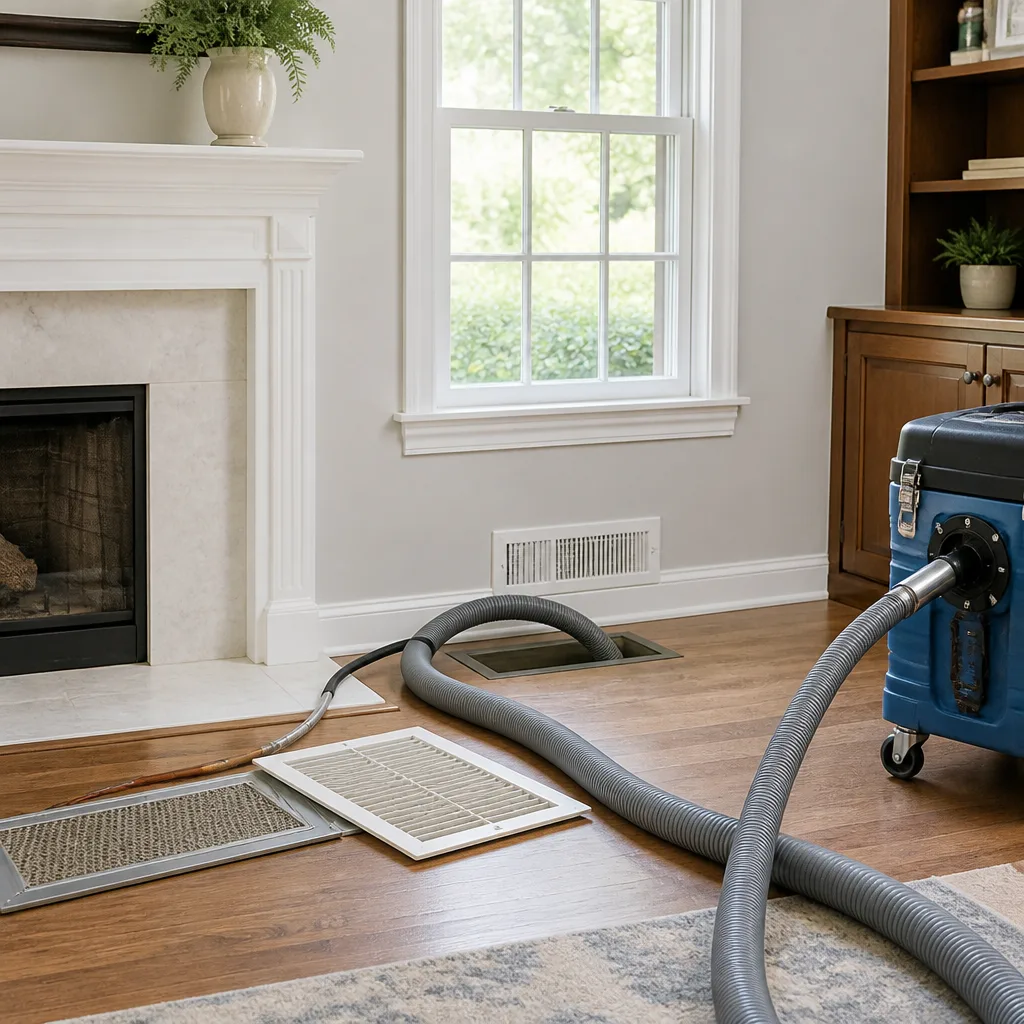 Whole-home duct cleaning
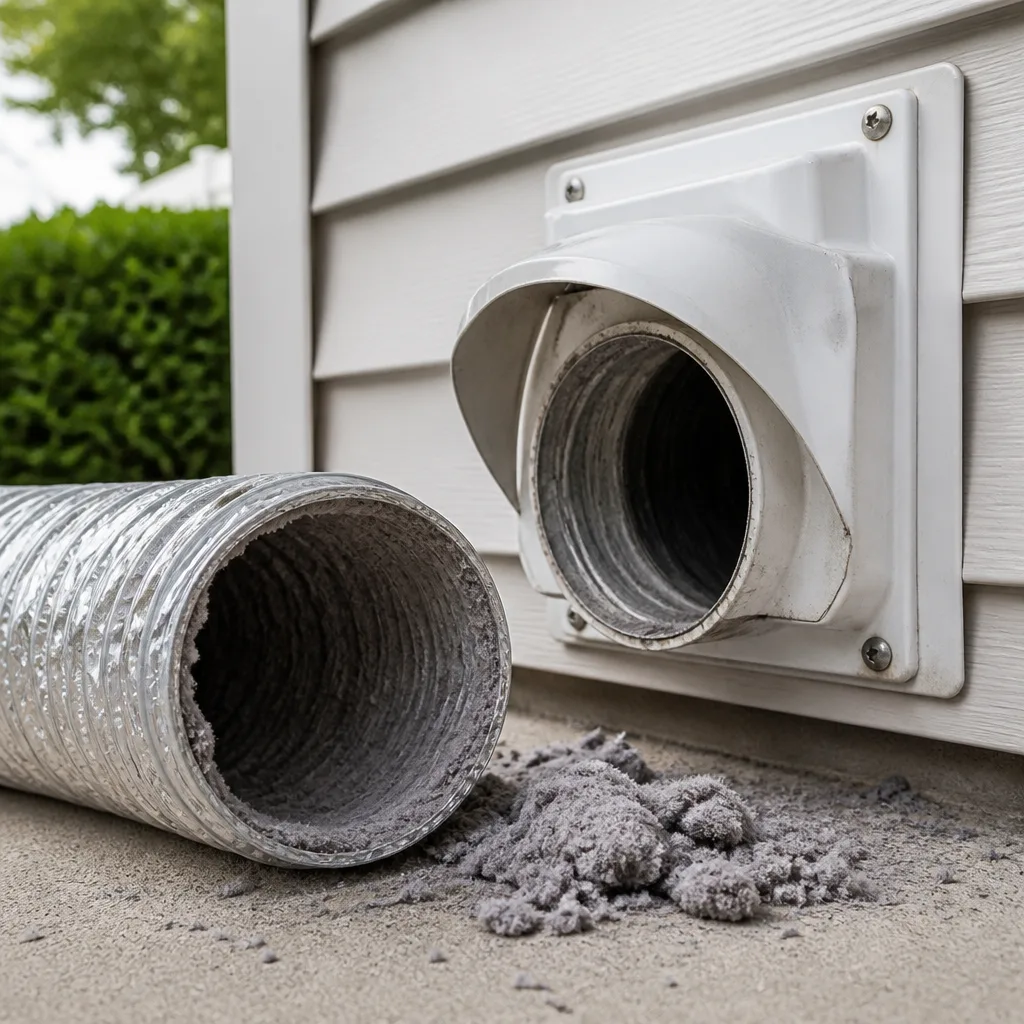 Dryer vent cleaning
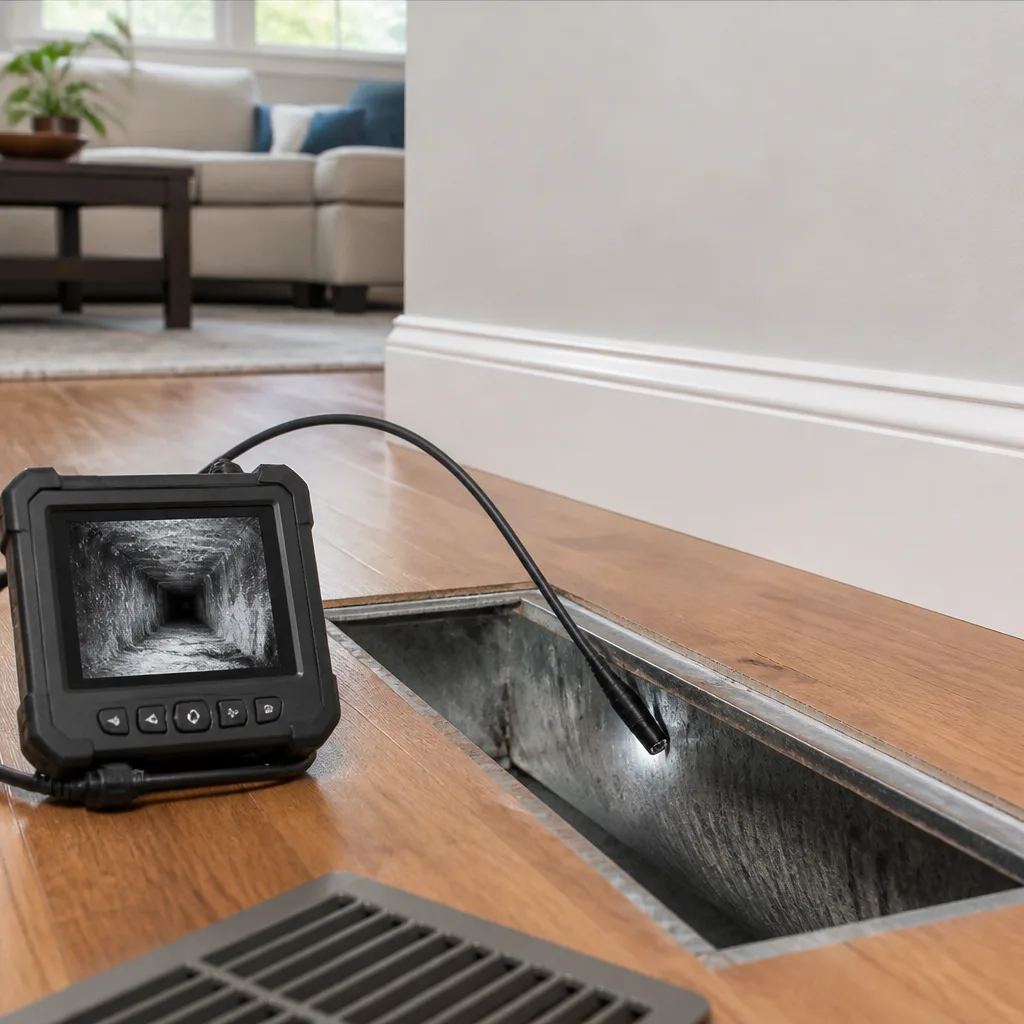 Camera inspection
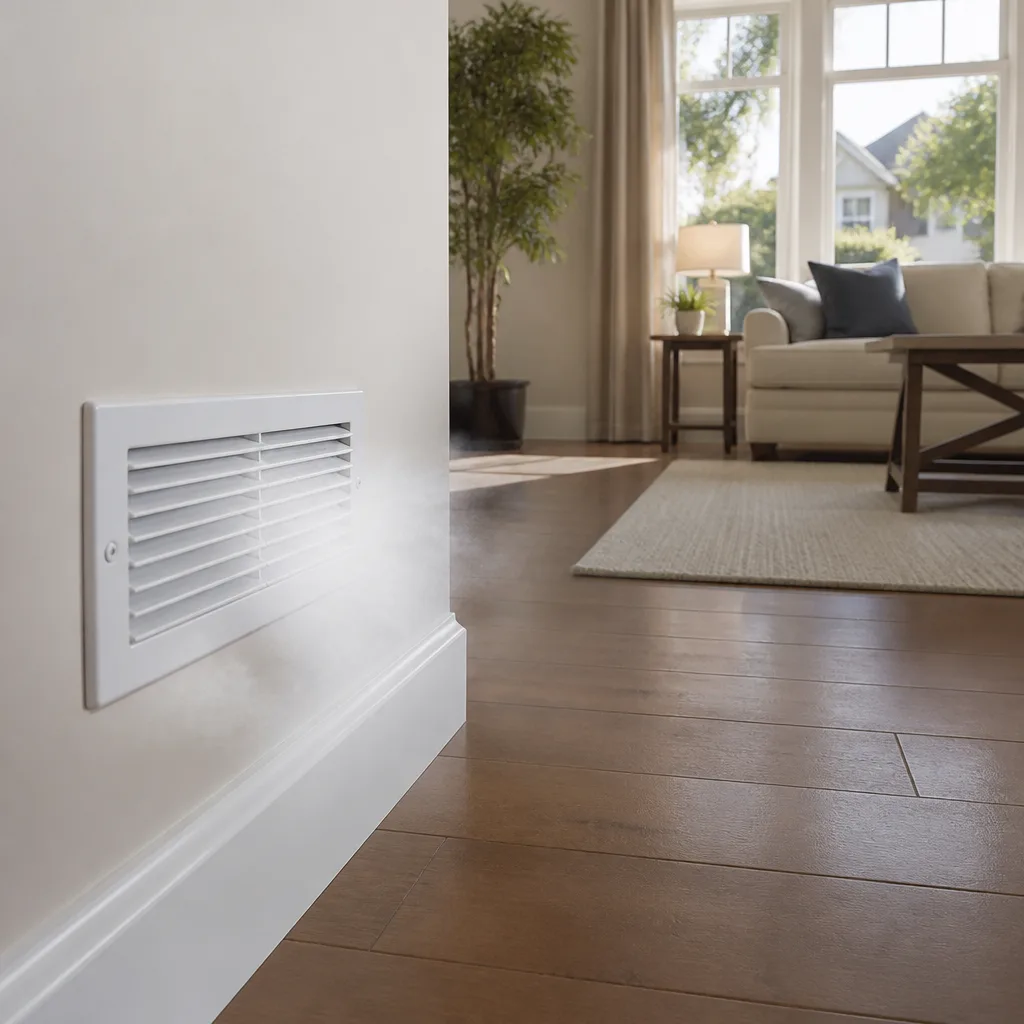 Sanitizing & deodorizing
Whole-system duct and dryer vent check with before-and-after photos - you see exactly what came out of your vents
That "$99 whole-house special" is a bait ad - the real number appears once they are in your hallway, or the "clean" is a shop-vac at the register. We photograph the inside of your ducts before and after instead.
Air Duct Cleaning Permits, Codes & Inspections in CA: What You Need to Know
Most California homeowners never ask whether Air Duct Cleaning services require a permit. They’re usually right not to. But if that cleaning uncovers a collapsed return duct, a severed plenum connection, or a rusted-out section of supply trunk line, the picture changes fast. The repair work that follows often does require a permit, and skipping it can create a liability that surfaces years later at resale or during an insurance claim. We’ve seen this play out in Rancho Bernardo homes more times than we can count. This guide explains exactly where the permit line sits under California code, which repairs trigger it, and how to protect yourself.
Styles & brands we work with
- Whole-home duct cleaning
- Dryer vent cleaning
- Camera inspection
- Sanitizing & deodorizing
Quick Answer
Routine air duct cleaning never requires a permit anywhere in California. However, duct repairs that involve replacing sections, modifying the plenum, adding returns, or altering the system’s physical structure do require a permit under the California Mechanical Code. In Rancho Bernardo and throughout San Diego County, unpermitted duct modifications can surface during home sales and complicate insurance claims.
Table of Contents
- What the California Mechanical Code Actually Says
- Which Duct Repairs Trigger a Permit in San Diego County
- How to Check Permits on a Home You’re Buying
- The San Diego Duct Inspection Process: What Inspectors Look For
- Why ‘Cleaning Only’ Companies Can’t Finish the Job
- What Rancho Bernardo Homeowners Should Know
- Common Mistakes to Avoid
- When to Call a Professional
- Frequently Asked Questions
- The Bottom Line
What the California Mechanical Code Actually Says
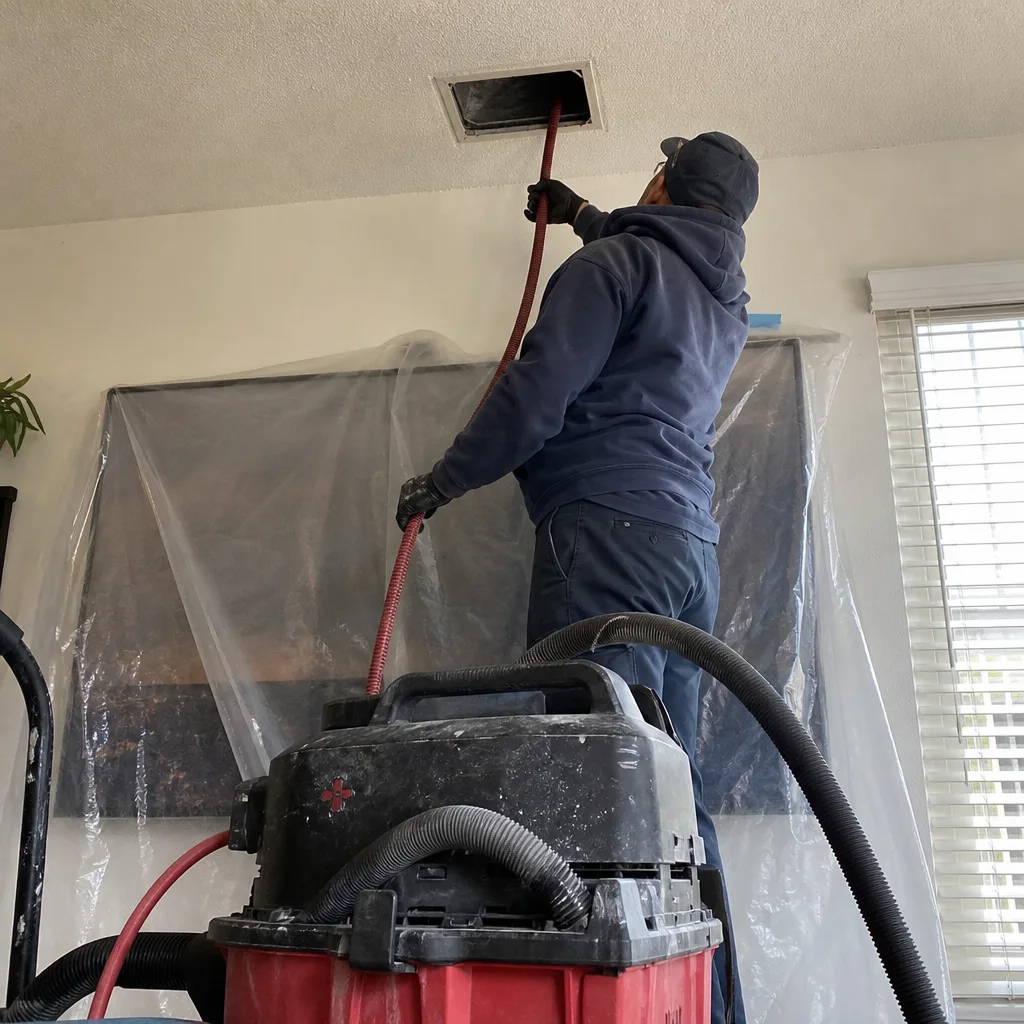
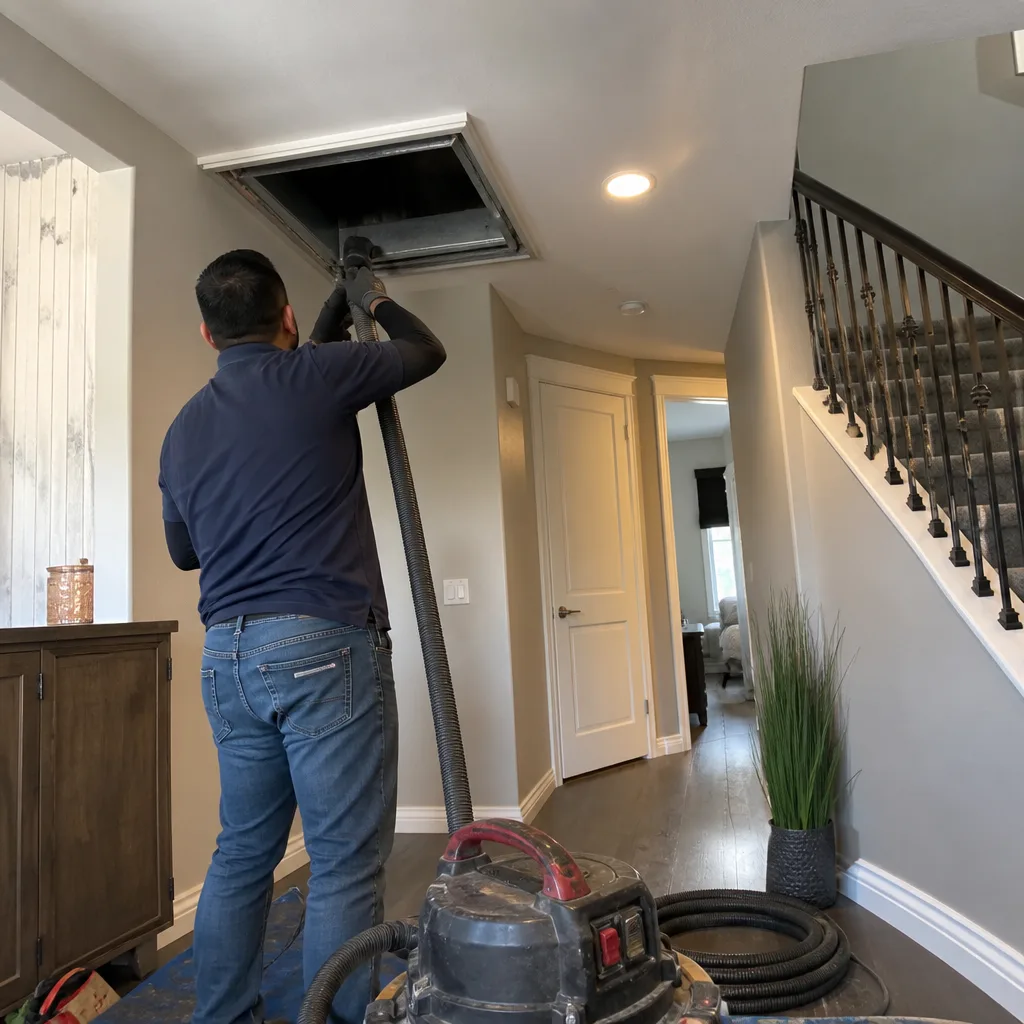
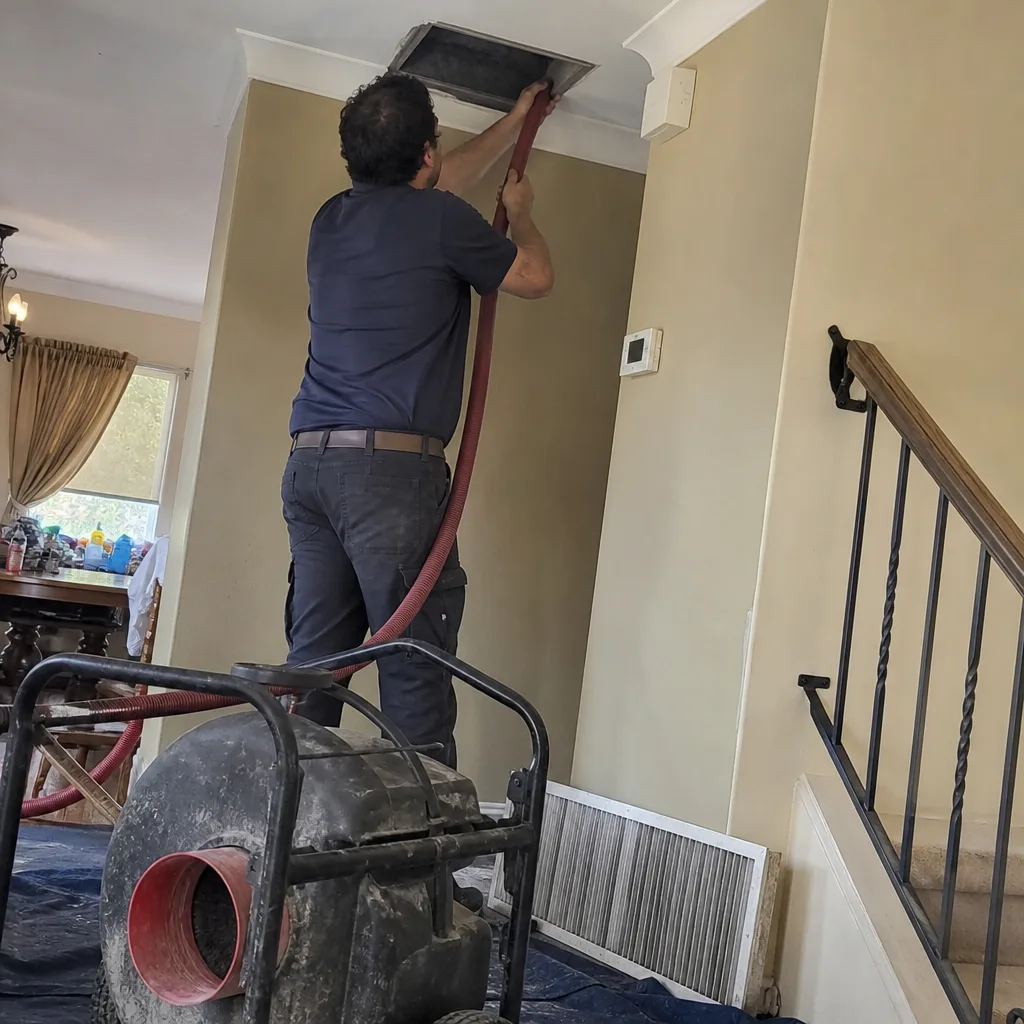
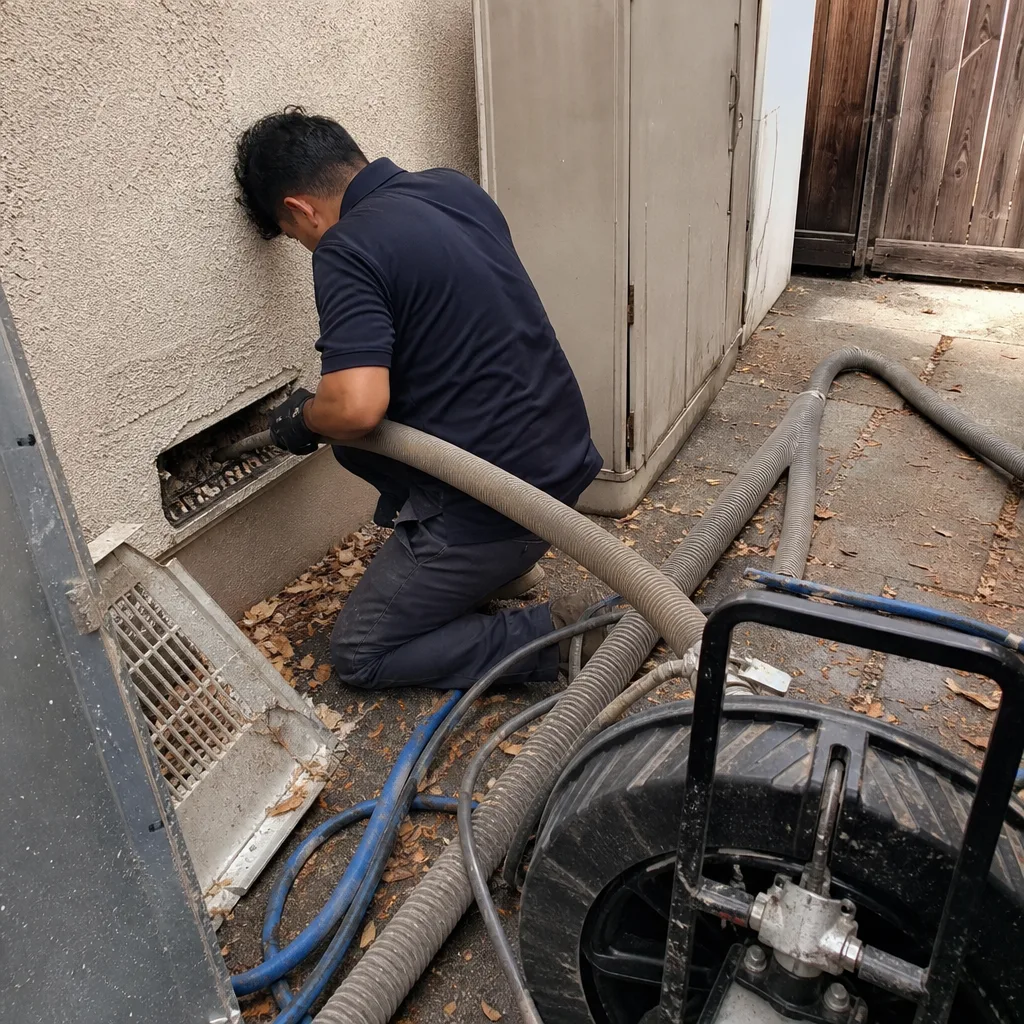
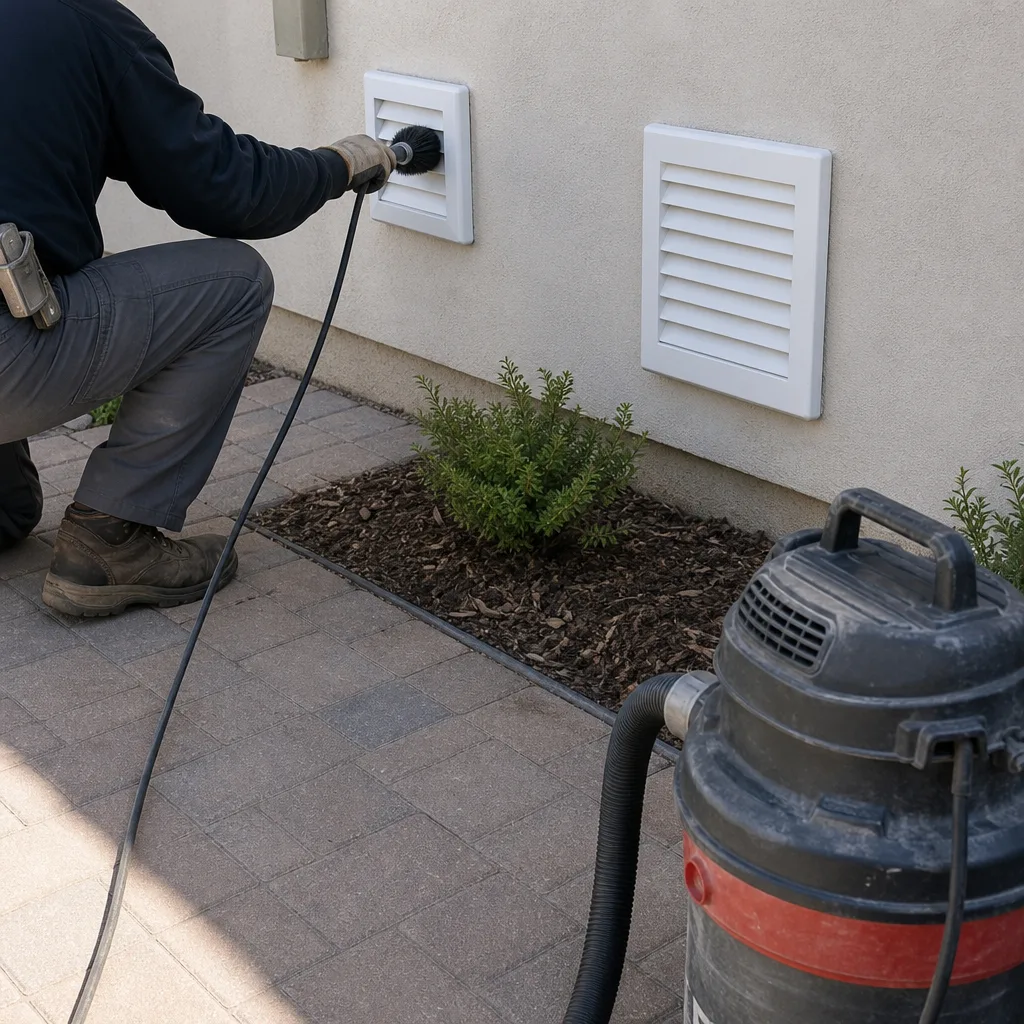
The California Mechanical Code (CMC) draws a clear distinction between maintenance and alteration. Cleaning falls squarely in the maintenance camp. When we run a Rotobrush rotary brush system through a duct system in a Rancho Bernardo home, we’re not changing the system’s structure. We’re removing accumulated debris from surfaces that already exist. No permit needed. No inspection required. The CMC is silent on maintenance cleaning because it doesn’t alter airflow design, structural integrity, or fire safety characteristics.
Alteration is different. Under CMC Section 103.3, any change to a mechanical system that modifies its capacity, configuration, or function falls under permit requirements. This matters because duct cleaning frequently reveals problems that cross that line. A disconnected return duct in a crawlspace. A crushed flex duct run. A plenum with rusted-through seams pulling attic air directly into the supply side. None of these are cleaning issues anymore. They’re alteration issues.
The specific sections that apply to duct work: CMC Chapter 6 covers duct systems. Section 601.2 addresses general requirements for duct installation. Section 603 governs duct sizing and construction. When a repair changes the effective length, diameter, or configuration of a duct run, the inspector evaluates it under these provisions. The key distinction for homeowners: suction, brushing, and debris removal are maintenance. Cutting out a section and replacing it, moving a register, enlarging a plenum, or adding a return are alterations.
In our experience, the confusion comes from the fact that both happen in the same visit. A technician cleans the ducts for two hours, then spends thirty minutes patching a hole found during cleaning. The first activity needed no permit. The second one did. California law doesn’t care that they happened on the same invoice. It cares what happened to the system.
Which Duct Repairs Trigger a Permit in San Diego County
San Diego County follows the California Mechanical Code with local amendments. The county’s Building and Safety division reviews mechanical permits for residential duct alterations. Here are the specific repair types that trigger permit requirements when discovered during a duct cleaning in Rancho Bernardo or elsewhere in the county.
- Duct section replacement: Replacing more than a small patch of flex or rigid duct changes the system. The inspector needs to verify the replacement meets current insulation, sealing, and sizing standards. Replacing a five-foot section of crushed flex in a Westwood Rancho Bernardo attic requires a permit. Patching a small hole with mastic and mesh tape typically does not.
- Plenum modification: The plenum is the sheet metal box connecting your air handler to the duct runs. Modifying it, enlarging it, relocating it, or replacing it entirely is a clear alteration. Plenum work affects static pressure, airflow distribution, and system efficiency. San Diego inspectors evaluate plenum modifications under CMC Chapter 6 for sealing and insulation compliance.
- Return air additions or modifications: Adding a return air register changes the whole airflow balance of the home. In Rancho Bernardo’s two-story homes, inadequate returns are a common cause of upstairs heat buildup. But adding a return in a hallway wall or bedroom requires cutting new openings, running new duct, and connecting to the return plenum. That’s permitted work, full stop.
- Duct fire-dampers or fire-rated penetrations: Any duct penetrating a fire-rated assembly, like the garage wall, requires proper fire dampers. Repairing or replacing ductwork through these assemblies needs a permit because the fire separation integrity is at stake.
- Duct replacement beyond 50 percent of a run: If a cleaning uncovers extensive degradation along an entire supply trunk or return run, and repair means replacing most of the run rather than sections, that crosses into permitted territory in virtually every California jurisdiction. The county views this as a new installation, not a repair.
The pattern here: any repair that changes what the duct system is, rather than restoring what it was, needs a permit. A good rule of thumb we tell Rancho Bernardo clients: if the repair changes the duct path, size, connection point, or source of air, call the county before cutting metal.
How to Check Permits on a Home You’re Buying
Rancho Bernardo’s housing stock ranges from 1960s ranch-style homes near the golf course to 1990s two-story builds in the eastern hills. Many have been through multiple HVAC replacements. Some of those replacements included duct modifications. Not all were permitted. If you’re buying a home in Rancho Bernardo and want to know whether prior duct work was done legally, here’s the process.
- Request the permit history from the City of San Diego’s Development Services Department. Online through the city’s permit lookup tool, search by address. Pull all mechanical permits for the property. Look for entries describing duct work, HVAC replacement, or mechanical alterations. Save what you find.
- Compare the permit history against the physical system. Walk the attic or crawlspace. Count the returns. Look at the plenum. If you see newer flex duct attached to older rigid metal, or patches of mastic that don’t match the surrounding work, investigate further. Ask the seller when the last duct work occurred. Compare their answer to the permit record.
- Hire an inspector who will open the system. Standard home inspectors rarely open the duct system. They check the HVAC runs, not what’s inside or what’s disconnected. A duct-specific inspection will reveal if ducts are crushed, disconnected, filled with debris, or improperly sized. This is where we routinely find unpermitted alterations.
- If unpermitted work is found, get a retrofit permit. The City of San Diego allows property owners to apply for permits after the fact. It’s called a retrofit permit, and it requires the work to be brought up to current code. The inspector will assess whether the existing alteration meets standards. If it doesn’t, the owner must correct it before the permit closes.
- Negotiate based on findings. Unpermitted duct work discovered during escrow is a legitimate negotiation point. The cost to legalize the work, or correct it, should factor into the purchase price or an escrow holdback.
We’ve walked through this scenario with Rancho Bernardo buyers and sellers. The sellers who legalized their duct alterations before listing had a smoother sale. The buyers who discovered unpermitted work after closing inherited the problem. Checking permits costs time. Not checking can cost thousands.
The San Diego Duct Inspection Process: What Inspectors Look For
If you’ve pulled a mechanical permit for duct repair in Rancho Bernardo, here’s what the inspection will entail. Understanding this process helps you prepare and pass on the first attempt. Failed inspections cost time and money.
- Scheduling: After the permit is issued and work is complete, call the City of San Diego inspection line to schedule. The inspector arrives within the window provided. Duct inspections are typically combined with HVAC inspections when the full system is touched.
- Visual inspection of connections: The inspector checks that all duct connections are properly sealed. This means mastic or UL-approved tape on all joints, not duct tape or foil tape alone. The inspector will look at the plenum connection, flex duct to collar connections, and any rigid-to-flex transitions. Unsealed connections fail.
- Insulation requirements: Duct work in unconditioned spaces, which means most Rancho Bernardo attics and crawlspaces, must meet current insulation requirements. The inspector checks that exposed duct has the proper R-value insulation and that it’s intact with no tears or compression.
- Sizing verification: The inspector may ask for load calculations if new duct runs are added. This is especially common with return air additions. The inspector verifies that the new duct diameter matches what the system needs. A 4-inch return where an 8-inch return should be will fail.
- Fire-rated assembly compliance: Any duct penetration through a garage wall, ceiling, or other fire-rated assembly must have proper fire dampers and sealing. The inspector checks these carefully. Garage-adjacent returns in Rancho Bernardo homes are a common failure point.
- Final sign-off: Once the inspector signs off, the permit closes. The property records now reflect legal, inspected duct work. This is what a future buyer wants to see. This is what your insurance company wants to see.
The inspection process is not adversarial. San Diego mechanical inspectors want to approve safe work. But they operate under clear code requirements, and borderline work gets scrutinized. Proper preparation, correct materials, and a contractor who knows what inspectors look for make the difference between a one-visit approval and a frustrating cycle of corrections.
Why ‘Cleaning Only’ Companies Can’t Finish the Job
This is the core problem we see repeatedly in Rancho Bernardo. A homeowner hires a duct cleaning company. The company arrives with a portable vacuum and some brushes. They clean for two hours. They leave. The ducts are cleaner, but any structural problems they encountered remain. The disconnected return. The crushed flex run. The plenum leak. The homeowner now has a clean system that still doesn’t work right. For more on identifying these issues, see our Air Duct Cleaning Warning Signs: A Rancho Bernardo Homeowner’s Reference Guide.
The reason is structural: cleaning-only companies are not licensed for mechanical repair. Under California law, altering a duct system requires a C-20 warm-air heating, ventilating, and air-conditioning contractor license. Cleaning companies operating without mechanical licensing cannot legally cut, replace, modify, or install duct work. They can only remove debris from existing surfaces. If they attempt a repair, they’re operating outside their license, and any permit pulled on that work would be invalid because the contractor wasn’t qualified for the scope.
This matters when hiring because it changes the economics of the service. A cleaning-only company has no incentive to thoroughly inspect for damage. If they find damage, they can’t fix it. They’d have to tell you to call someone else. Some do. Some don’t mention it. The homeowner is left believing their duct system is fine when it isn’t.
At Golden Air Duct, we approach this differently. We clean the system thoroughly with professional-grade equipment: a Rotobrush rotary brush system to agitate debris, Nikro HEPA-rated vacuums to extract it without releasing particulates into the home, and Golden Air Duct home-level containment protocols using Abatement Technologies equipment to keep the work area sealed. But we also have Air Duct Repair in Rancho Bernardo capability as a core service. If we find a disconnected return during cleaning, we can repair it in the same visit, with permitting, legally, because we’re licensed for mechanical work. We clean it, and if something’s wrong, we repair it, same visit, same team. That’s the difference between a clean system and a fixed system.
What Rancho Bernardo Homeowners Should Know
Rancho Bernardo has specific characteristics that affect duct systems and the permitting questions around them. The climate is a factor. Summers are hot and dry, with weeks of 90-plus degree temperatures. HVAC systems run hard from June through September. The temperature differential between the attic and the conditioned space is extreme, which accelerates flex duct deterioration. Duct insulation that was adequate in 1985 is often degraded by the time we open the system for cleaning. Seams separate. Flex duct sags. Connections at the plenum loosen.
The housing stock creates its own issues. Many homes in areas like Seven Oaks, Bernardo Heights, and High Country West were built during specific decades with specific duct practices. 1980s homes often used gray flex duct that deteriorates from the inside, releasing fiberglass particles into the air stream. 1970s homes in the original Rancho Bernardo neighborhoods near the golf course often have original rigid metal duct with failing tape seals at every joint. When we clean these systems, we find leakage that can’t be cleaned away. It has to be repaired, and those repairs have to be permitted.
There’s also the wildfire smoke factor. Rancho Bernardo sits in an area that experiences seasonal wildfire smoke from fires in the backcountry and east county. Smoke particulate infiltrates duct systems through leaks in the return side. Once inside, it coats the duct walls and the blower. Cleaning removes it. But the leaks that let it in remain unless repaired. A permitted duct repair that seals return leaks is a meaningful improvement for indoor air quality in this area. It keeps smoke out the next time the Santa Ana winds shift.
Homes here often have HVAC equipment in attics, which means duct work occupies the hottest part of the house. Sealing work done in Rancho Bernardo attics needs to withstand 140-degree attic temperatures in August. The mastic and tape choices matter. Permitted work gets inspected for exactly this reason: the inspector verifies materials are appropriate for the application. Unpermitted work doesn’t get that check. In a hot attic, a bad tape job fails in two years. A permitted mastic seal holds for twenty.
Common Mistakes to Avoid
- Assuming all duct work is unpermitted no matter what. Some Rancho Bernardo homeowners we talk to believe duct repairs never need permits. The truth is that cleaning doesn’t, but many repairs do. Assuming the wrong thing either direction creates problems.
- Patching a major duct rupture with tape and calling it done. Duct tape, foil tape, even mastic alone, cannot restore a severed duct connection. A section replacement is needed, and that replacement needs a permit. Tape patches fail, often within a single hot summer.
- Allowing a cleaning company to perform a repair without verifying their license. If the company doing the work doesn’t hold a C-20 mechanical license, any repair they perform is illegal. The permit is invalid. You as the homeowner become responsible for correcting it. Always ask to see the license.
- Buying a Rancho Bernardo home without checking the mechanical permit history. Many buyers take the home inspection at face value. Standard home inspections do not thoroughly evaluate duct condition or verify permits. A separate check costs time but avoids inheriting unpermitted work.
- Deferring repairs found during cleaning because the system still runs. A system can run with a disconnected return for years, pulling attic air, overworking the blower, and degrading efficiency. The repair never gets cheaper. The permit never gets easier. Deferring simply extends the problem.
- Trying to DIY permitted duct work. California allows homeowners to pull permits and perform work on their own residence. But duct sizing, sealing, and insulation requirements are specialized. A homeowner who pulls a permit and does substandard work is liable for the correction. We’ve seen DIY duct repairs in Rancho Bernardo that failed inspection and required a licensed contractor to redo the work.
When to Call a Professional
Call a professional when you see these conditions. If you notice uneven heating or cooling between rooms in your Rancho Bernardo home, especially upstairs, you may have disconnected or crushed duct work. If your energy bills have climbed without a rate change, leaky ducts may be the cause. If you smell dust or musty air from the vents when the system cycles on, the return side is likely pulling attic or crawlspace air. If you’ve never had your ducts inspected and your home is over fifteen years old, you’re due. Golden Air Duct offers free estimates in Rancho Bernardo. Call (844) 798-0150. We’ll evaluate the system, identify any repair needs, and tell you honestly whether permitting applies.
Frequently Asked Questions
No. Routine air duct cleaning is maintenance work and never requires a permit anywhere in California, including Rancho Bernardo and all of San Diego County. For step-by-step help with problems that do arise, check our Air Duct Cleaning Troubleshooting: Common Problems and How to Fix Them. The permit question only arises when cleaning uncovers damage that requires repair or replacement of duct sections.
Duct section replacement, plenum modification, return air additions, fire-rated penetration repairs, and replacement of more than half of a duct run all require mechanical permits in San Diego County. Small patches sealed with mastic and mesh tape typically do not. When in doubt, call the City of San Diego Development Services or a licensed mechanical contractor. Call (844) 798-0150 for a free evaluation of your system.
Yes, but you must disclose it. California law requires sellers to disclose known unpermitted work. Buyers can and do negotiate over this. Unpermitted duct work can slow escrow, reduce the sale price, or cause the deal to fall through. Legalizing the work before listing is the cleaner path.
Pull the permit history from the City of San Diego for your address. Compare the mechanical permits on file with the condition of your duct system. If you see newer duct work that doesn’t correspond to any permit, it was likely unpermitted. A duct inspection can confirm recent modifications.
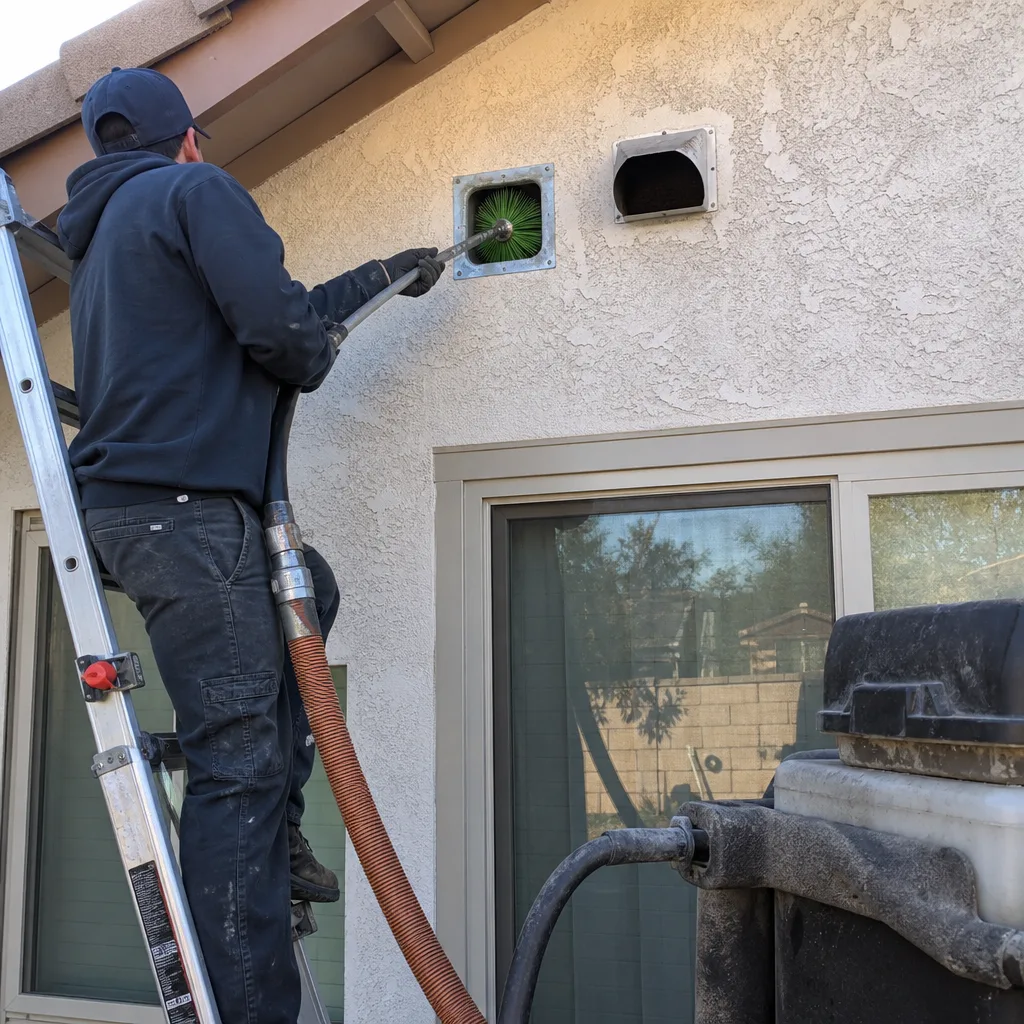
No. Dryer Vent Cleaning in Rancho Bernardo is maintenance, same as duct cleaning. It never requires a permit. Replacing a dryer vent run, changing its routing, or modifying the vent termination does require a permit when it alters the exhaust system.
Mechanical permit fees in the City of San Diego are based on the valuation of the work. For most residential duct repairs discovered during cleaning, fees range from roughly $100 to $400. The cost depends on project scope. A licensed contractor includes permit fees in the bid. Call (844) 798-0150 for an exact quote on your repair needs.
The Bottom Line
Duct cleaning never needs a permit in California. Duct repair often does. The distinction is simple: maintenance versus alteration. When a cleaning in Rancho Bernardo uncovers damage that requires replacing sections, modifying the plenum, or adding returns, the repair work crosses into permitted territory. Skipping that permit creates risk at resale and during insurance claims. A licensed contractor who can both clean and repair handles both sides of this properly, with permits where required and honest guidance always. If you’re not sure where your system stands, get it evaluated, or explore more guides & resources on our blog. The answer matters more than most homeowners realize.
Written by the team at Golden Air Duct, serving Rancho Bernardo since 2013.
See the difference
 Before
 After
 Before
 After
 Before
 After